Interior Design Trends for 2026: What's Worth Doing
By Sattva Design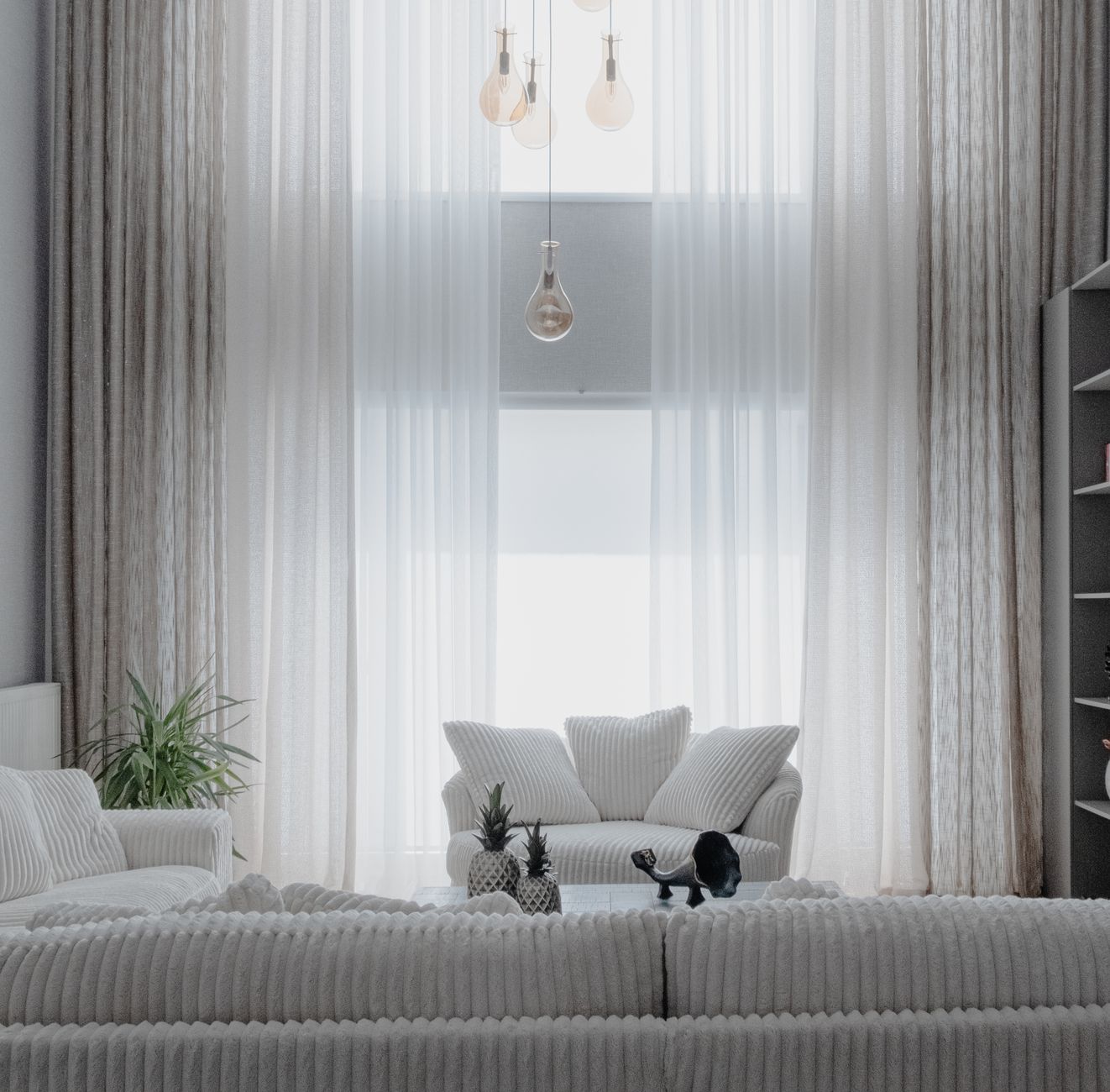
Every year brings a fresh wave of interior decorating trends, and 2026 is no exception. But a trend is only useful if it makes a space more comfortable, more functional or more you — not if it dates the room in two years. This guide walks through the interior design trends worth paying attention to in 2026, and, just as importantly, how to apply them sensibly without turning your home into a showroom.
Natural materials, used honestly
The strongest material story this year is texture and authenticity. Stone, timber, cane, lime plaster and unglazed terracotta are everywhere — and for good reason. They age gracefully, feel good to the touch and bring warmth that synthetic finishes rarely match.
The trick is restraint. Let one or two natural materials lead and keep the rest quiet. A timber dining table, a stone-topped counter or a single textured wall does more than a room where every surface competes for attention.
Warm, grounded colour palettes
The cool greys of the last decade are giving way to warmer, earthier tones — clay, terracotta, olive, mushroom, deep browns and soft ochres. These colours feel calm and lived-in, and they pair naturally with the materials above.
A sensible approach:
- Keep large surfaces (walls, floors) in calm, neutral tones.
- Bring colour in through textiles, art and smaller furniture you can change later.
- Use one deeper accent colour to give a room character, not five.
Designing around natural light
Good light is the trend that never goes out of style. In 2026 there's renewed focus on planning interiors around daylight — larger openings where orientation allows, lighter window treatments, and reflective surfaces placed to bounce light deeper into a room.
This matters far more than any decorative choice. A well-lit room with simple furnishings will always feel better than a dark room full of expensive pieces. Thoughtful interior design starts by reading how light moves through a space across the day.
Multifunctional, flexible spaces
Homes are working harder than ever. The clean separation of rooms is loosening in favour of spaces that flex — a study nook in the living room, a guest room that doubles as a home office, kitchen islands that serve as workspace and gathering point.
The principle is honest planning rather than clutter. Built-in storage, foldable or movable furniture and zoning through rugs and lighting let one space do several jobs without feeling cramped. The same thinking drives good commercial interior design, where every square foot has to earn its place.
Biophilic design that's actually practical
Biophilic design — bringing nature indoors — continues to grow, but the smart version is practical rather than performative. That means plants you can realistically maintain, natural ventilation, views to greenery where possible, and materials and colours drawn from the natural world.
You don't need a living wall. A few well-placed plants, good airflow and natural light deliver most of the benefit with none of the upkeep headaches.
Sustainable choices that last
Sustainability has moved from a talking point to a default expectation. In 2026 it shows up as durable materials chosen to last, locally sourced finishes, energy-efficient lighting and a general shift away from disposable, fast-fashion furniture.
The most sustainable choice is usually the one you won't want to replace in five years. Investing in quality where it counts — and being patient about the rest — is both greener and cheaper over time. For larger projects, this connects directly to sustainable, green architecture that reduces running costs from the ground up.
Statement lighting, used with intent
Lighting is having a moment as decor in its own right — sculptural pendants, warm-toned fixtures and layered schemes that combine ambient, task and accent light. A single beautiful fixture over a dining table or in an entryway can anchor a whole room.
Keep it layered and warm. One striking piece supported by quieter background lighting reads as considered; a dozen statement fixtures read as chaos.
How to apply trends without overdoing it
Trends work best as guidance, not rules. A simple filter helps:
- Choose two or three trends that genuinely suit your space and how you live.
- Apply them to things that are easy to change — textiles, lighting, accessories.
- Keep the expensive, permanent elements timeless.
- Edit ruthlessly: an uncluttered room dates far more slowly than a busy one.
If you'd like help deciding which of these ideas fit your home or workspace, explore our full range of design services — and when you're ready to plan something real, get in touch and we'll help you do it well.