How to Get Building Plan Approval (Naksha Pass) in Ranchi & Palamu
By Sattva Design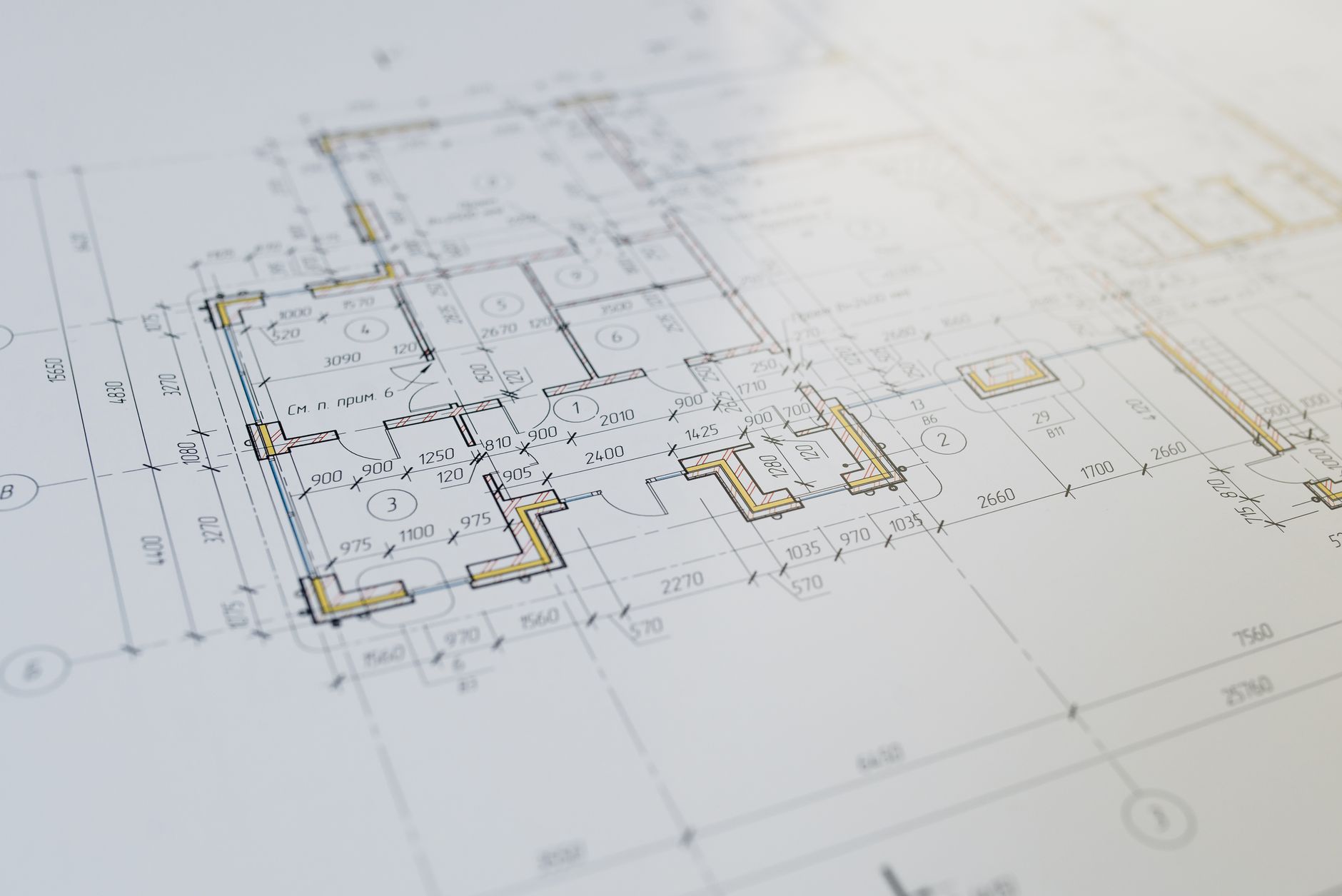
Before you lay a single brick, your house plan needs to be legally sanctioned by the local authority. This sanction is what most people in Jharkhand call a naksha pass. Skipping it — or getting it wrong — can lead to stop-work notices, penalties, problems with home loans, and serious trouble when you try to sell later. This guide explains what naksha pass actually involves in Ranchi and Palamu, and how to approach it without unnecessary stress.
What is naksha pass and why it matters
"Naksha" simply means the building plan or map. A naksha pass is the formal approval of that plan by the relevant municipal or development authority, confirming that your proposed construction follows the applicable building rules and zoning regulations.
You need it because:
- It makes your construction legal and on record.
- Banks usually require a sanctioned plan to release a home loan.
- It protects you from demolition, penalty, or regularisation costs down the line.
- It is often needed for occupancy, resale, and utility connections.
The specific authority and exact requirements vary depending on whether your plot falls under a municipal corporation, a municipality, a development authority, or a rural panchayat area. In and around Ranchi and Palamu (Medininagar/Daltonganj), the jurisdiction over your plot determines which office and which rules apply — so the first step is always confirming who has authority over your land.
Documents you'll typically need
Requirements differ by authority, but most applications ask for some version of the following:
- Proof of ownership — registered sale deed, mutation records, and the latest land receipt/rent receipt.
- Plot documents — survey details, plot dimensions, and any conversion/land-use certificate where applicable.
- The building plan drawings — site plan, floor plans, elevations and sections prepared as per local building bye-laws.
- A licensed professional's certification — most authorities require drawings to be submitted by an empanelled or registered architect/engineer.
- Identity and supporting documents — applicant ID, photographs, and any NOCs that apply to your specific plot.
Because the exact list changes from one authority to another, it's worth confirming the current checklist with the concerned office (or with a firm that files plans there regularly) before you start.
The typical step-by-step process
While the details vary by municipal authority, the general flow usually looks like this:
- Confirm jurisdiction and land use — establish which authority governs your plot and that residential construction is permitted there.
- Prepare compliant drawings — your architect designs the plan within the allowed coverage, setbacks, height limits and FAR. Good designed blueprints save you from costly revisions later.
- Compile and verify documents — ownership, plot papers and certifications, checked for consistency.
- Submit the application — increasingly done through online single-window or municipal portals, along with the applicable fees.
- Scrutiny and possible queries — the authority reviews the plan and may raise objections or ask for corrections.
- Approval and sanction letter — once cleared, you receive the sanctioned plan, which you should keep safely for the entire life of the building.
Timelines depend heavily on the authority, the completeness of your file, and how quickly queries are resolved — so treat any quoted duration as approximate rather than guaranteed.
Common reasons for rejection or delay
Most hold-ups are avoidable. The usual culprits are:
- Setback or coverage violations — the design exceeds permitted limits.
- Incomplete or inconsistent documents — mismatched names, missing receipts, unclear ownership.
- Land-use or zoning mismatch — building a use the zone doesn't allow.
- Drawings not meeting bye-laws — wrong format, missing details, or non-compliant dimensions.
- Unresolved queries — objections raised by the authority that sit unanswered.
Almost all of these trace back to one thing: starting the process without a properly resolved, rule-compliant design.
How an architecture firm helps
This is exactly where working with a local firm pays for itself. A good architect designs your home to be both livable and compliant from the outset, prepares drawings in the format the authority expects, and knows the documentation each office wants. We handle building approvals (naksha pass) end to end, and because the design, estimation and approvals are coordinated, you avoid the rework that happens when these are treated separately.
If you're building in Ranchi, Palamu, or anywhere across our service areas in Jharkhand, getting the plan right the first time is the cheapest way to keep your project on schedule. You can also explore our full range of custom home design and services to see how it all fits together.
Talk to us
Every plot and authority is a little different, so the most useful advice is the kind based on your specific land and location. If you'd like help getting your plan sanctioned without the back-and-forth, get in touch and we'll guide you through it.